Trezor said on 12 November that it has confirmed a listening implant in three Trezor Safe 5 hardware wallets bought from the reseller CryptoBilis, released firmware that stops the implants it found from capturing data, and cut its reseller network by about 80%.
According to Trezor’s investigation update, all three devices were bought between 20 August and 23 September 2026 through CryptoBilis’s Tokopedia and Shopee stores or directly from CryptoBilis. Trezor’s lab examined one; the other two were identified from owners’ photos. Of 48 CryptoBilis buyers who contacted the company, none has reported lost funds, and Trezor says it found no implant in devices from other resellers or in other Trezor models.
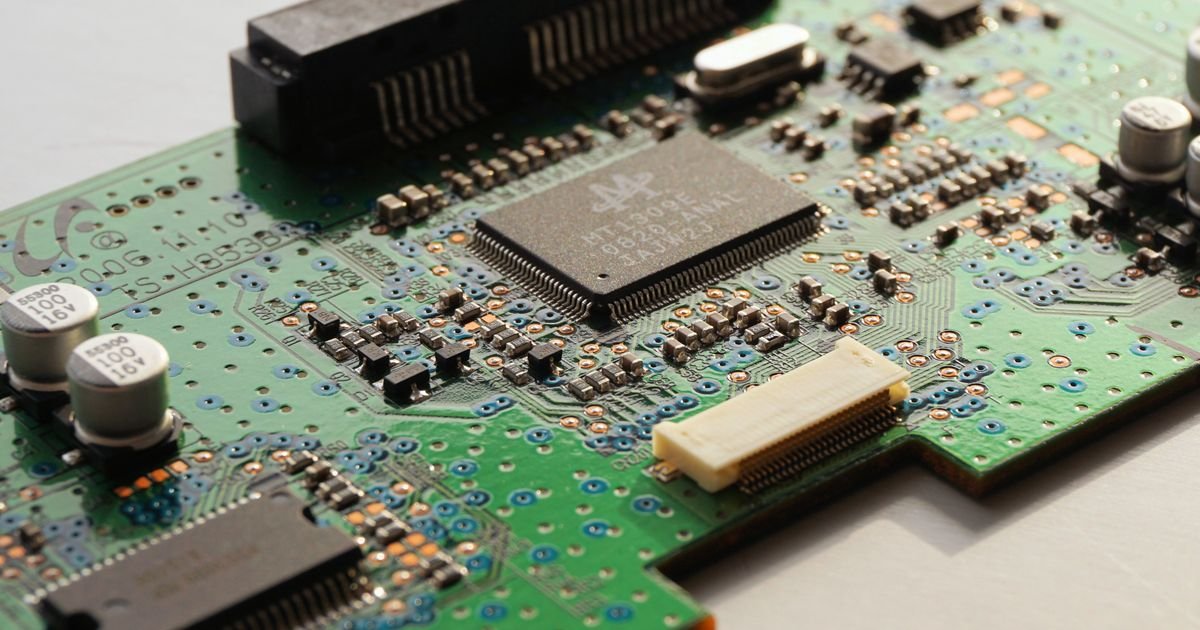
Trezor describes the implant as an extra circuit board between the main board and the screen that copies what the display shows. It records recovery words when they appear on screen, during backup or recovery, and passphrases, then sends the data over the mobile network to an attacker-controlled server. Trezor says it does not alter the firmware or Secure Element and works the same way as implants found in Ledger devices. Firmware 2.13.1, released on 11 November, blocks capture by the implants Trezor has found, but Trezor says it cannot protect a backup captured before the update, so CryptoBilis buyers should move funds to a new wallet with a new seed.
In our reading, an implant that leaves the firmware and Secure Element untouched will not show up in a firmware integrity check. Organizations holding treasury or signing keys on hardware wallets should buy from the manufacturer only and rotate any seed set up on a device from a third-party seller. We covered an earlier Trezor shipping vendor data exposure and Polymarket’s compromised vendor script.