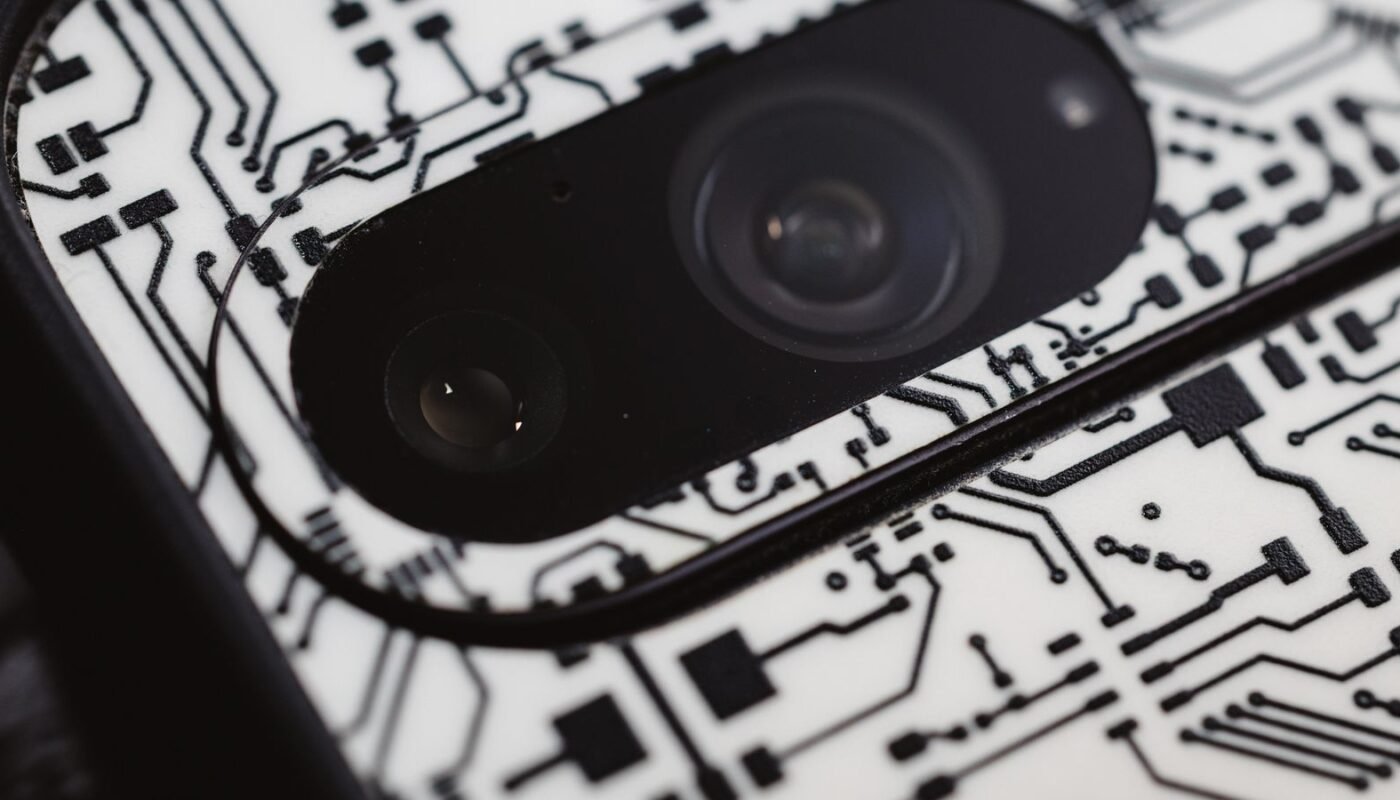
Apple’s Security Engineering and Architecture and Core OS teams published a technical description on 12 November of Secure Exclaves, isolated runtimes that process camera and microphone data separately from the main operating system.
According to Apple Security Research, Secure Exclaves support ambient sensing features such as person recognition on HomeView, which can recognize up to six people. Apple says ambient sensing must never record audio or video or expose it to the rest of the operating system, and must reduce the sensor stream to simple signals such as whether an enrolled user’s face or voice was recognized. Apple also uses Secure Exclaves to protect the on-screen camera and microphone indicators on iPhone 18 Pro, iPhone 18 Pro Max and iPhone Duo, and the camera indicators on MacBook Neo and HomeView.
Apple lists three requirements: data processed in an exclave must not be extractable or modifiable from the main OS, only a precisely specified set of information may cross the boundary, and the user must be able to see when an active sensor session is running. The exclaves run on an Apple-customized L4 microkernel that Apple first built for security-sensitive deployments, including the Secure Enclave Processor. Memory isolation relies on the Secure Page Table Monitor, and components talk through a new Secure IPC mechanism written in Swift.
In our reading, the design moves trust in camera and microphone privacy away from the main OS, where malware and over-permissioned apps run. Security teams approving always-listening devices for offices and meeting rooms can ask vendors for this level of detail: what leaves the sensor boundary, and what controls the indicator. We covered another privacy design in Cloudflare’s post-quantum Privacy Pass tokens, and Apple’s September fix for a graphics flaw used against targets.
Source: Apple Security Research: Secure Exclaves and Ambient Sensing