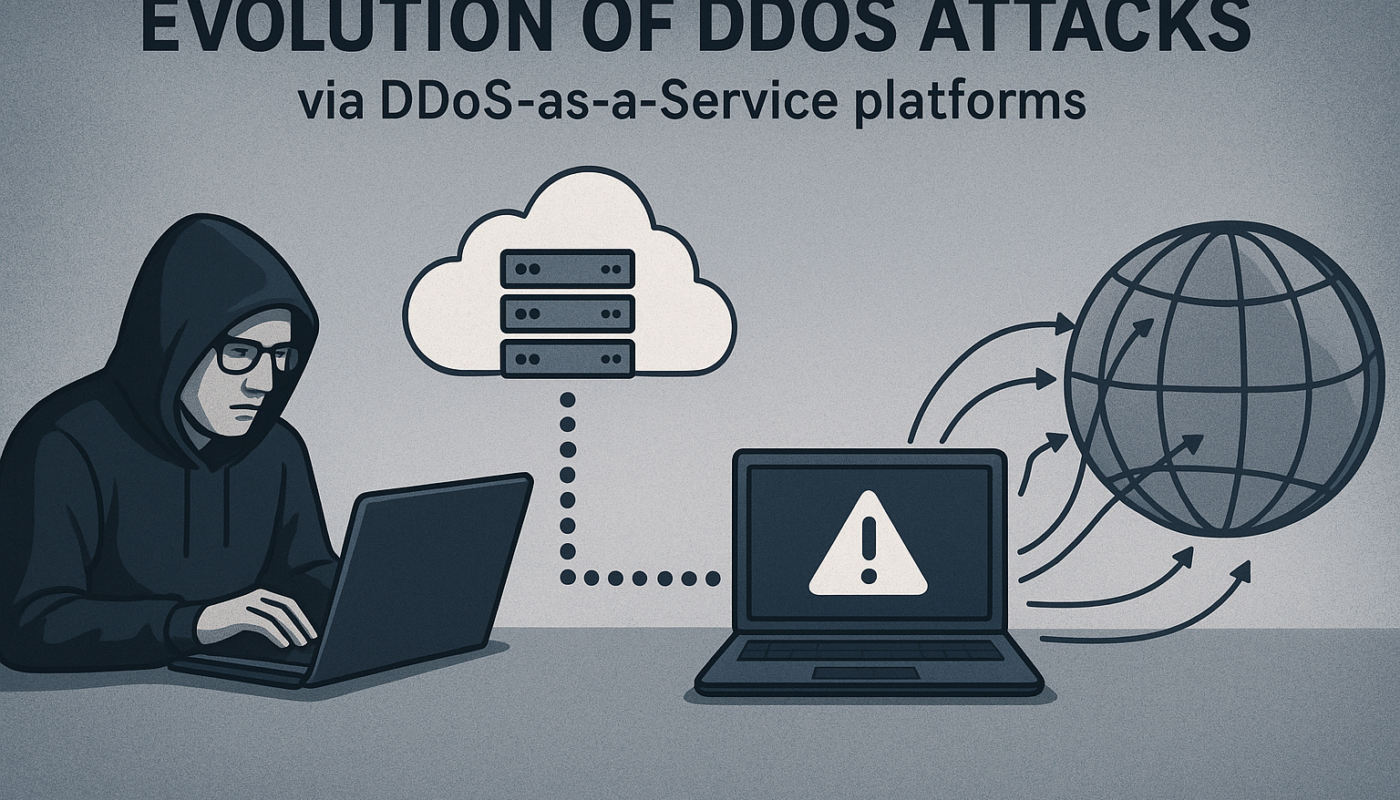

Distributed denial-of-service (DDoS) attacks have evolved from isolated incidents into a widespread threat, thanks to the rise of DDoS-as-a-Service (DaaS) platforms. These platforms have complicated the defensive strategies for chief information security officers (CISOs) by enabling even those with minimal technical skills to launch large-scale, sustained attacks. By renting botnet resources, attackers have made it difficult for traditional mitigation strategies and regulatory compliance efforts to keep pace.
Cybercriminals have moved from basic attack methods targeting individual IP addresses to sophisticated, botnet-powered services offering customizable attack vectors and durations. The market for these services functions on a subscription or pay-per-attack model, often advertised on dark web forums and encrypted messaging apps. This commodification significantly lowers the entry barrier for potential attackers, resulting in more frequent and complex attacks against enterprises and critical infrastructure.
Recent research underscores that modern DaaS platforms provide access to vast networks of compromised devices, including Internet of Things (IoT) endpoints. These devices are manipulated to generate traffic floods that exceed terabits per second. Attackers employ techniques such as amplification, reflection, and multi-vector assaults, which combine volumetric, protocol, and application-layer components to overwhelm defenses. The expansion of these services has also led to an increase in ransom-driven DDoS attacks, where organizations are extorted with threats of service disruption.
Media Partner

In response, the industry has enhanced its approaches to traffic filtering, anomaly detection, and the deployment of dedicated DDoS mitigation appliances, whether on-premises or cloud-based. The ever-changing nature of DaaS attacks requires adaptive defense strategies that incorporate real-time threat intelligence and automated response capabilities. Regulatory frameworks like the Cybersecurity Maturity Model Certification (CMMC) and guidelines from the Cybersecurity and Infrastructure Security Agency (CISA) stress the importance of building resilient network architectures and developing robust incident response plans to combat DDoS threats.
“In the current threat environment, CISOs must anticipate that attackers have ready access to potent DDoS resources via service platforms that lower operational complexity,” said Mark Johnson, a senior analyst at CyberDefense Insights. “This shifts the security paradigm from merely detecting attacks to predicting attack vectors and rapidly deploying mitigations that align with organizational risk profiles.”
When evaluating vendors for DDoS protection, organizations must assess the vendor’s ability to handle multi-terabit traffic volumes, their integration with existing security infrastructure, and the agility of their threat intelligence feeds. Organizations should also account for the operational impact of false positives in automated mitigation to prevent service degradation. As DaaS platforms continue to evolve, CISOs face the dual challenge of countering increasingly accessible attacks while adhering to regulatory standards that demand demonstrable resilience against service disruptions.
Source: bleepingcomputer.com